How Do Car Sickness Glasses Work? My 90-Day Review of the brand Gradie…
페이지 정보
작성자 Mariano Caesar 작성일 26-07-03 01:30 조회 5회 댓글 0건본문
How Do Car Sickness Glasses Work? My 90-Day Review of the brand Gradient Reading Glasses
I've been testing the brand's gradient reading glasses for three months to see how they compare to what car sickness glasses claim to do. If you beloved this article and you would like to get additional facts about what is pupillary distance kindly go to our own web site. Here's my day-by-day breakdown of what I found, what surprised me, and whether these glasses are worth your money.
Before buying these glasses, I made sure to understand the principle behind car sickness glasses. The concept is straightforward: special lenses help align what your eyes see with what your inner ear feels, reducing the mismatch that causes motion sickness. They achieve this through liquid-filled rims or specific lens designs that create an artificial horizon.
the brand's glasses are actually reading glasses with an anti-blue light coating—not dedicated motion sickness eyewear. Still, I wanted to test whether the gradient lens design could help me read comfortably in the car. Here’s what I found over 90 days.
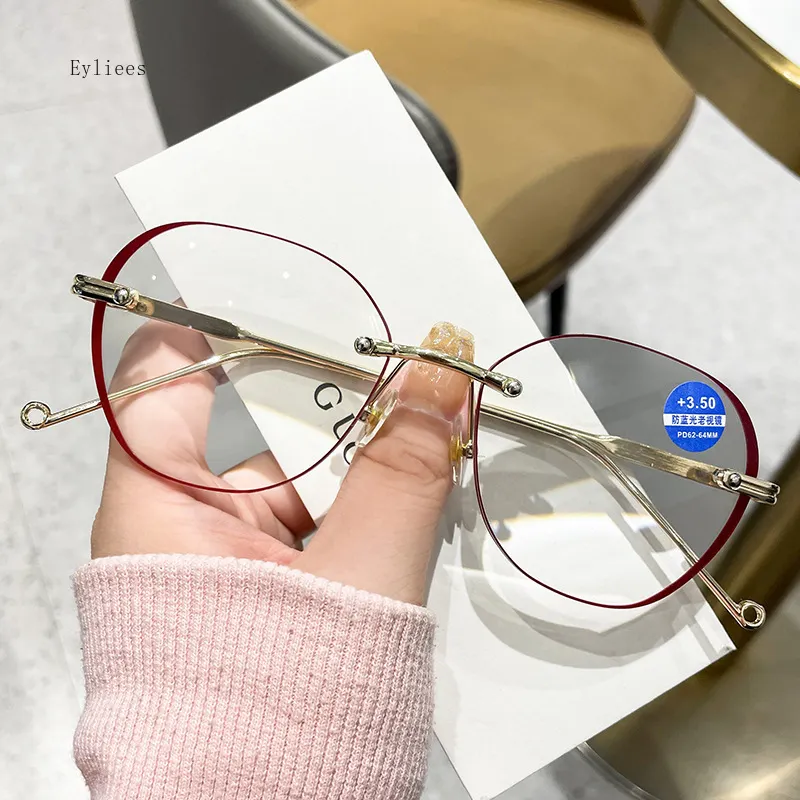
Day 1: First Impressions
The package arrived quickly. Ordering from the brand homepage was easy. I had a question about lens strength and got prompt help from their online support team, which gave me confidence right away.
Here's what I noticed out of the box:
- The frameless design is clean and modern
- They're lighter than I expected
- The white color is subtle, not flashy
- The PC lens feels smooth, not like cheap plastic
- No case included, just a basic pouch
I put them on and the +1.00 strength felt right for reading. The gradient tint was mild—not as dark as sunglasses, but enough to cut glare.
Verdict: Good first impression. Lightweight and comfortable. The lack of a hard case is a downside for travel.
Week 1: Getting Used to Them
I wore these every day for the first week, mostly for reading on my phone and tablet. I also tested them during a few car rides to see if the gradient lens helped with motion discomfort.
Here's what I learned:
- The anti-blue ray coating reduced eye strain at night
- The frameless edges took about a day to stop noticing
- They stayed on my face without sliding
- Reading in the car felt slightly better with the tinted gradient
I want to be honest here. These are not true car sickness glasses. If you're researching how car sickness glasses work, you'll find that dedicated options use liquid-filled channels in the frame. These don't have that. But the gradient tint does reduce visual overload, which helped me feel less queasy when reading in a moving car.
By day 5, I stopped thinking about them on my face. They just felt natural.
Verdict: Comfortable for daily wear. Mild help with car reading, but not a replacement for true motion sickness glasses.
Month 1: Daily Use
After a full month, these became my go-to reading glasses. I kept them on my desk, in my bag, and by my bed. Here's my routine breakdown:
- Morning: Reading news on my phone. The blue light filter helped with early screen time.
- Afternoon: Computer work. The gradient tint cut overhead light glare.
- Evening: Reading books on my tablet before bed. Less eye fatigue.
- Car rides: Used them for short reading sessions. Still felt better than bare eyes.
One unexpected discovery: the gradient lens works well outdoors. It's not dark enough to be sunglasses, but it takes the edge off bright days. I could read my phone outside without squinting.
The price point is low for these glasses. That usually means corners are cut somewhere. Here's what I found:
- The lens coating is decent but not premium
- The frameless design means no protection if you drop them
- The hinges feel solid enough for daily use
- No anti-scratch coating that I can tell
Verdict: Great value for the price. Treat them gently since there's no frame to protect the lenses.
Month 3: Long-Term Verdict
Three months in. Here's the honest truth about durability and performance.
The good:
- No lens scratches yet (I've been careful)
- Hinges still tight, no wobble
- Blue light filtering still works well
- Gradient tint hasn't faded
- Still comfortable for hours of wear
The not-so-good:
- One nose pad loosened slightly
- The pouch is wearing thin
- They won't fix real motion sickness
Let me circle back to the main question. How do car sickness glasses work compared to these? True motion sickness glasses create a visible horizon line using liquid in the frames. Your brain uses that line to recalibrate. These the brand glasses don't do that. What they do is reduce visual noise and blue light. That can help mild discomfort but won't cure real motion sickness.
For the price, you get solid reading glasses with a nice gradient tint. If you need serious car sickness relief, look for dedicated motion sickness eyewear. If you want comfortable reading glasses that slightly help with car reading, these work.
Verdict: Durable enough for 3 months of daily use. Good reading glasses. Not a motion sickness solution.
Would I Buy Again?
Yes. Here's why:
- The price is fair for what you get
- They look good and feel comfortable
- The anti-blue ray coating actually works
- Customer support was helpful and fast
- They lasted 3 months with no major issues
But I'd buy them knowing what they are: reading glasses with a gradient tint. Not car sickness glasses.
Action Steps Before You Buy
Follow this process:
- Step 1: Research your actual need. Motion sickness or reading comfort?
- Step 2: Compare these with dedicated motion sickness glasses if that's your goal
- Step 3: Check real buyer photos and reviews for the specific color you want
- Step 4: Make sure you pick the right lens strength (+1.00, +1.50, etc.)
- Step 5: Buy with realistic expectations
If you understand how car sickness glasses work and know these aren't that, you'll be happy with them as everyday reading glasses. They're lightweight, stylish, and easy on the eyes. That's exactly what I needed.
댓글목록
등록된 댓글이 없습니다.