10 Things That Your Family Teach You About 45ft Container
페이지 정보
작성자 Keira Beaufort 작성일 26-05-15 17:59 조회 2회 댓글 0건본문
Understanding the 45ft Container: Dimensions, Uses, and Benefits
In modern logistics and shipping, container dimensions play a crucial function in determining how goods are transferred, saved, and handled. Amongst various container sizes, the 45ft container has actually acquired prominence due to its considerable volume capacity, offering an efficient service for transporting a wide range of goods. This post digs into the specifics of the 45ft container, examining its dimensions, benefits, common usages, and other vital elements.
What is a 45ft Container?
A 45ft container is a shipping container developed to offer boosted storage capacity compared to its 20ft and 40ft equivalents. Its bigger size makes it ideal for various sectors, consisting of retail, production, and building. These containers are designed to help with the transport of both basic cargo and specialized items that need specific handling conditions.
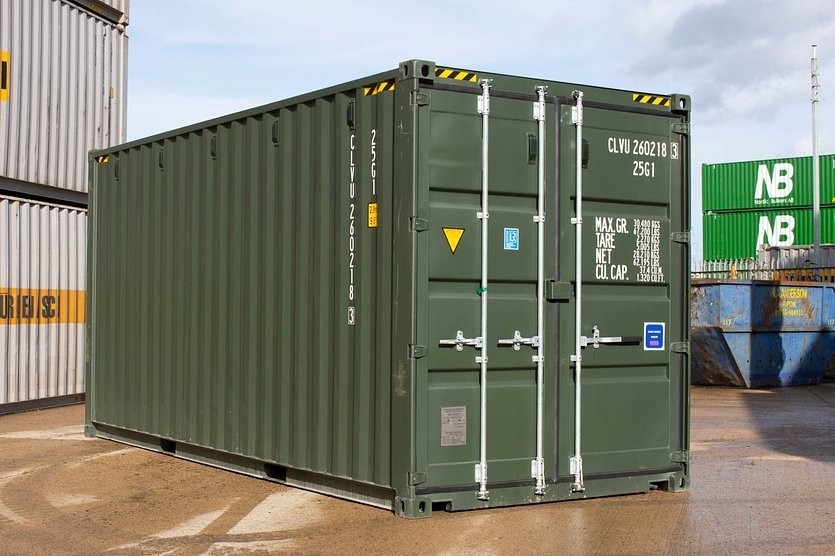
Dimensions of a 45ft Container
The general dimensions of a 45ft container are as follows:
| Specification | Imperial | Metric |
|---|---|---|
| Length | 45 Foot Shipping Container For Sale feet (13.72 m) | 13.72 meters |
| Width | 8 feet (2.44 m) | 2.44 meters |
| Height | 9.5 feet (2.89 m) | 2.89 meters |
| Tare Weight | 4,500 lbs (2,041 kg) | 2,041 kg |
| Optimum Gross Weight | 67,200 pounds (30,000 kg) | 30,000 kg |
| Cubic Capacity | 3,040 cubic feet (86.2 cubic meters) | 86.2 m THREE( |
Note: Dimensions can a little differ based upon the manufacturer and design of the container.)
Advantages of Using a 45ft Container
The option of a 45ft container over others features several advantages, particularly for companies that require considerable storage solutions. Some key benefits include:
Increased Capacity: The 45ft container provides additional area. Businesses with big volumes of cargo find this advantageous, possibly minimizing shipping costs per system.
Adaptability: It appropriates for various kinds of cargo, consisting of heavy machinery, big amounts of retail products, and even temperature-sensitive products when configured accordingly.
Cost-Effectiveness: Since shipping expenses generally depend on the volume of cargo, utilizing a 45ft 45' Container can reduce shipping expenditures, especially for bulk consignments.
Flexible Transport Options: The basic size of these containers enables compatibility with numerous shipping methods, including sea, rail, and road transport.
Stronger Security: Shipping containers are built from top quality steel, offering enhanced security for important cargo.
Reusability: Containers can frequently be reused for several shipments, making them a sustainable option for ecologically mindful companies.
Typical Uses for 45ft Containers
The adaptability of 45ft containers enables them to be used across a range of industries and applications. A few of the typical usages consist of:
International Shipping: Ideal for organizations exporting goods overseas, offering the additional area required for bulk deliveries.
Storage Solutions: Frequently used as storage systems for construction websites, warehouses, and retail operations.
Home and Office Conversions: Some ingenious individuals repurpose containers into homes, offices, or pop-up retail areas.
Event Venues: Containers can be converted into distinct places for events such as concerts, celebrations, or exhibitions.
Refrigerated Storage: The inclusion of refrigeration units allows these containers to transport perishables effectively, making them ideal for the food industry.
The Impact of 45ft Containers on Global Trade
Making use of bigger containers, such as the 45ft variation, has exceptionally impacted international trade. They assist in more efficient shipping logistics, contributing considerably to supply chain optimization. The economies of scale accomplished through transferring goods in larger amounts are crucial for businesses aiming to maintain competitiveness in the international market.
Furthermore, the growth of ports and facilities to accommodate bigger containers promotes economic growth by boosting trade capability. The ever-increasing need for freight transportation continues to highlight the importance of containerization in around the world logistics.
Frequently Asked Question about 45ft Containers
1. What can fit inside a 45ft container?
A 45ft container can hold approximately 29 basic pallets, 27 metric lots of cargo, or 3,040 cubic feet of items. It is ideal for transporting large equipment, bulk foodstuff, clothing, and more.
2. Just how much does a 45ft container cost?
The cost of a 45ft container can vary from ₤ 3,000 to ₤ 5,000, depending upon condition (new or used), modifications, and the seller. Renting options are likewise available, which can differ in cost based upon the rental duration and location.
3. Are 45ft containers durable?
Yes, 45ft Shipping Container Dimensions containers are constructed from high-strength steel and are created to endure severe ecological conditions, making them appropriate for multi-modal transport.
4. Can I personalize a 45ft container?
Yes, modification options are offered, including adding insulation, windows, and doors, in addition to converting them into refrigerated systems or workplace.
5. How do I carry a 45ft container?
Carrying a 45Ft Container [47.105.50.196] is usually done using flatbed trucks or by cranes for packing onto cargo ships at ports. The container should be managed by experts to make sure safety and compliance with policies.
The 45ft container serves as a critical asset in the shipping and logistics landscape. Its generous dimensions, coupled with numerous benefits, make it a favored option for different markets. As international trade continues to evolve, the dependence on versatile and effective shipping containers like the 45ft unit is likely to grow, further cementing their importance in helping with commerce throughout borders. By understanding the benefits and applications of these containers, businesses can make educated decisions that boost their functional effectiveness and eventually result in more efficient supply chains.
댓글목록
등록된 댓글이 없습니다.